
Have you ever cleaned your furniture, vacuumed the floors, and wiped down your shelves, only to notice a fresh layer of dust just a day or two later? If your Berkeley home seems to collect dust faster than you can remove it, you’re not alone.
Household dust is a common problem that affects homes of all sizes. Even when you clean regularly, dust can continue to accumulate on furniture, floors, windowsills, and other surfaces. Understanding where it comes from is the first step toward managing it more effectively.
From outdoor particles entering through open windows to dust trapped in carpets and upholstery, several everyday factors can contribute to the problem. In this guide, we’ll explore why Berkeley homes get dusty so quickly, which areas collect the most dust, and what you can do to maintain a cleaner living environment.
Why Does Your Berkeley Home Get Dusty So Quickly?
Dust doesn’t come from a single source. It’s a mixture of tiny particles that originate both inside and outside your home.
These particles can include soil, pollen, pet dander, fabric fibers, hair, and other materials. They settle on surfaces and become airborne again when people walk through rooms, move furniture, or perform everyday activities.
In Berkeley, outdoor conditions can also contribute to household dust. Homes near busy streets, landscaped areas, construction activity, or frequently used outdoor spaces may experience additional particle buildup.
Opening windows for fresh air can introduce outdoor dust and pollen, particularly during dry or windy conditions.
However, outdoor air isn’t the only reason dust accumulates. Your home’s flooring, ventilation, cleaning habits, and daily activities also influence how quickly surfaces become dusty.
7 Common Causes of Excessive Dust in Berkeley Homes
Understanding the sources of dust can help you choose cleaning methods that address the actual problem instead of repeatedly wiping the same surfaces.
1. Outdoor Dust Entering Through Windows and Doors
Berkeley’s neighborhoods include busy streets, residential gardens, parks, and outdoor recreational spaces. Depending on your property’s location, wind and everyday outdoor activity can carry soil particles, pollen, and other debris into your home.
When windows and doors remain open, these particles can enter and eventually settle on furniture, shelves, and floors.
Homes located near roads or active construction areas may notice additional dust accumulation.
You don’t necessarily need to keep your windows closed all the time. Instead, pay attention to outdoor conditions and limit open-window ventilation when dust, smoke, or pollen levels are high.
2. Dust and Dirt Tracked Inside on Shoes
Every time someone enters your home, they may bring small amounts of dirt, soil, and outdoor debris on their shoes.
Over time, these particles collect near entrances and spread into living rooms, hallways, and bedrooms.
This is especially noticeable in households with frequent visitors, children, or pets that regularly move between indoor and outdoor spaces.
Placing durable doormats at entrances and encouraging household members to remove their shoes can help reduce the amount of dirt brought indoors.
3. Carpets, Rugs, and Upholstered Furniture
Carpets, area rugs, curtains, and upholstered furniture can hold dust and other small particles within their fibers.
When someone walks across a carpet or sits on a sofa, some of these particles can become airborne and settle elsewhere.
Even surfaces that appear clean may contain dust that isn’t immediately visible.
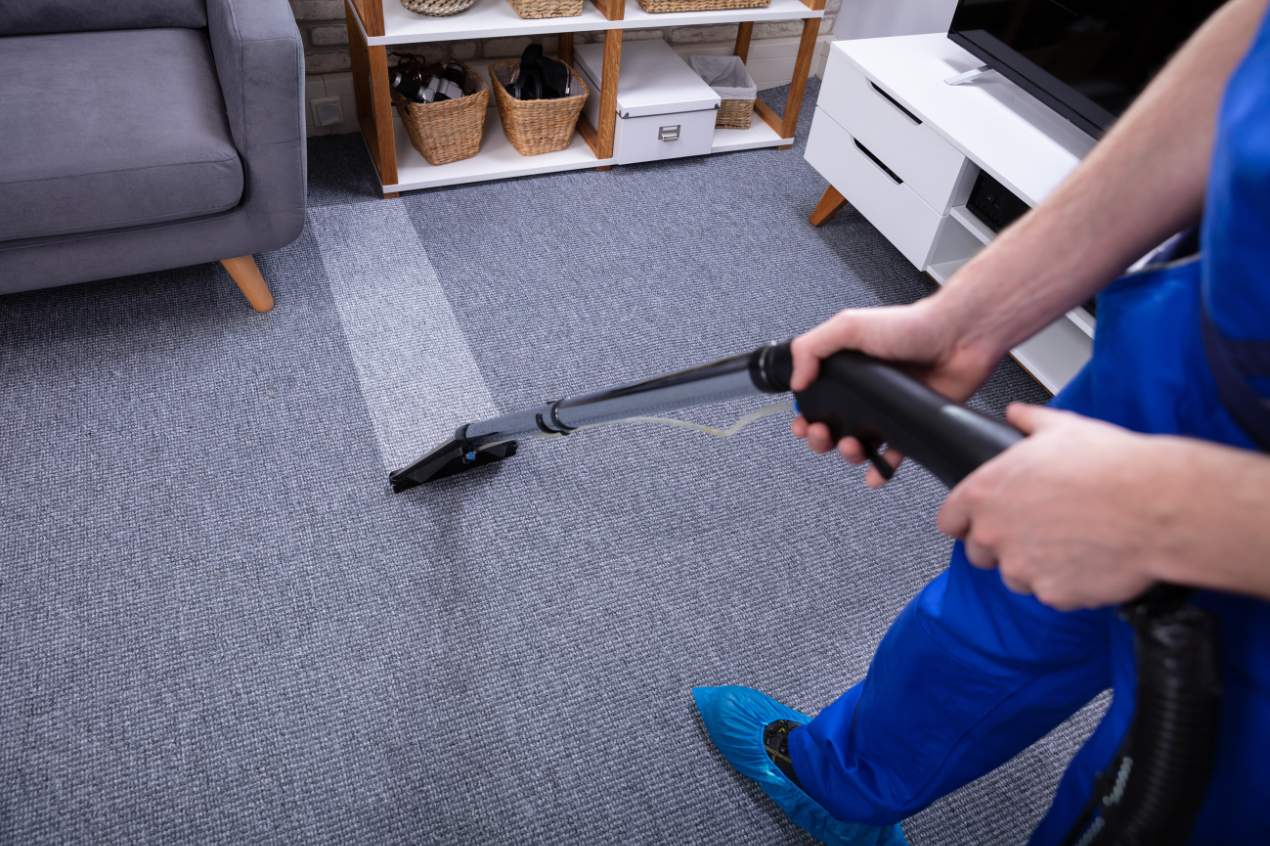
Regular vacuuming with a suitable vacuum cleaner can help control this buildup. Carpets and upholstered furniture may also benefit from periodic professional attention, depending on their condition and use.
Casa Azul offers professional carpet cleaning services for homeowners who need additional help addressing embedded dirt and buildup.
4. Dirty or Inefficient HVAC Filters
Heating, ventilation, and air-conditioning systems influence how air circulates throughout your home.
When filters become overloaded with dust, they may not perform as effectively as intended. Poorly fitted filters can also allow particles to bypass filtration.
Check your HVAC filters regularly and replace them according to the manufacturer’s recommendations.
If you’re considering a higher-efficiency filter, make sure it’s compatible with your system.
Proper filtration can help capture airborne particles, but it works best alongside regular surface cleaning and control of indoor dust sources.
5. Pet Hair and Dander
Pets bring companionship to a household, but they can also contribute to indoor dust accumulation.
Dogs and cats naturally shed hair and skin particles. They may also carry soil and outdoor debris inside after walks or time in the yard.
These materials can collect on furniture, bedding, carpets, and floors.
Regular grooming, washing pet bedding, and cleaning frequently used areas can help manage the problem.
If your pets spend time on upholstered furniture, vacuum those surfaces regularly to prevent loose hair and dirt from accumulating.
6. Everyday Household Activities
Many people assume dust only enters through windows and doors, but normal indoor activities also contribute to particle buildup.
Cooking, moving around the house, making beds, handling fabrics, and using certain household products can release or redistribute particles.
For example, shaking blankets indoors may send settled dust back into the air.
Instead of vigorously shaking dusty fabrics inside, wash washable items when appropriate and clean surfaces using methods that capture dust rather than scatter it.
7. Inconsistent Cleaning of Hidden Areas
It’s easy to focus on visible surfaces such as countertops, coffee tables, and floors while overlooking less accessible areas.
However, dust can gradually accumulate behind furniture, along baseboards, on ceiling fans, and around window frames.
Air movement and daily activities may redistribute some of this settled dust throughout the room.
Cleaning these overlooked areas periodically can make a noticeable difference in how quickly visible surfaces become dusty again.
How to Reduce Dust in Your Berkeley Home
Although eliminating every dust particle isn’t realistic, a few consistent habits can significantly reduce visible buildup.
Use Microfiber Cloths and Damp Dusting
Dry feather dusters can move dust from one surface to another without removing much of it.
A clean microfiber cloth or a lightly dampened cloth can help capture settled particles more effectively.
Start with higher surfaces such as shelves and furniture tops before cleaning lower areas and floors.
This approach allows you to collect dust that may fall during cleaning rather than having to clean the same surfaces twice.
Always choose cleaning methods suitable for the material you’re wiping, especially around unfinished wood, electronics, and delicate surfaces.
Vacuum Floors and Furniture Regularly
Vacuuming helps remove dust, dirt, and debris that accumulate in carpets, rugs, and upholstered furniture.
For many households, weekly vacuuming is a useful starting point. High-traffic areas and homes with pets may need more frequent attention.
A vacuum equipped with a HEPA filter can help reduce the amount of collected dust released back into the air.
Don’t forget corners, carpet edges, and areas beneath accessible furniture.
Wash Bedding and Household Fabrics
Sheets, blankets, pillowcases, and other household fabrics can collect skin particles, pet hair, and dust.
Regular washing helps prevent excessive accumulation.
Wash bedding according to its care instructions, and remember to clean washable curtains, throws, and decorative covers when necessary.
If a household member is sensitive to dust mites, additional steps such as allergen-resistant bedding covers may be helpful.
Keep Entrances Clean
Entryways are among the first places where outdoor dirt enters a home.
Use indoor and outdoor doormats, clean them regularly, and keep the surrounding floor free of accumulated debris.
If possible, establish a convenient place near the door for outdoor shoes.
These small changes can help limit how much dirt spreads into the rest of your home.
Maintain HVAC Filters and Indoor Air Quality
Check heating and cooling filters according to your equipment’s maintenance instructions.
A clean, properly fitted filter can help reduce airborne dust and support normal HVAC operation.
Portable air cleaners with suitable particle filtration may also help in frequently used rooms.
Remember that air filtration doesn’t replace dusting, vacuuming, or addressing sources of outdoor dirt.
During wildfire smoke events or periods of poor outdoor air quality, check local air quality information before opening windows.
Which Areas of Your Home Collect the Most Dust?
Dust accumulates differently throughout a property depending on airflow, furniture placement, and everyday use.
Some commonly overlooked areas include:
- Ceiling fans and light fixtures: Dust settles on elevated surfaces that aren’t cleaned frequently.
- Baseboards and corners: Small particles collect along wall edges and behind furniture.
- Window blinds and windowsills: These surfaces can catch dust entering from outside.
- Under beds and sofas: Limited access allows buildup to go unnoticed.
- Air vents and registers: Dust can accumulate on surrounding surfaces and vent covers.
- Bookshelves and decorative items: Multiple surfaces create more places for particles to settle.
- Carpets and upholstered furniture: Fibers can retain dust that isn’t visible at first glance.
Including these areas in your normal cleaning routine helps prevent neglected dust from becoming a recurring problem.
When Does Dust Buildup Require Professional House Cleaning?
Regular household cleaning is often enough to manage everyday dust. However, there are situations where professional assistance can be useful.
For example, a home that hasn’t received detailed cleaning for several months may have substantial buildup around furniture, baseboards, fixtures, and hard-to-reach spaces.
Busy households may also struggle to keep up with routine dusting and vacuuming.
If you’re frequently cleaning the same surfaces but haven’t had time to address less accessible areas, professional cleaning can help restore a manageable baseline.
Casa Azul Janitorial & Hoarding Services provides residential cleaning services in Berkeley, CA for homeowners looking for assistance with ongoing household maintenance.
For properties with heavier accumulated dust and grime, professional deep cleaning may provide more detailed attention to overlooked surfaces.
However, if excessive dust is caused by deteriorating building materials, suspected asbestos, lead paint, or significant construction contamination, ordinary house cleaning may not be appropriate. These situations require assessment and, when necessary, qualified specialists.
How Professional Cleaning Helps Manage Household Dust
Professional house cleaning can make dust management easier by addressing multiple areas during a scheduled visit.
Depending on the service selected, cleaning professionals may remove dust from accessible furniture, vacuum flooring, clean baseboards, and wipe commonly used surfaces.
Detailed cleaning can also target areas that are often missed during everyday maintenance.
For Berkeley homeowners who don’t have time to clean regularly, scheduled cleaning provides a more consistent approach to household care.
Professional cleaning cannot prevent new dust from entering your home, but it can remove accumulated debris and help make routine maintenance more manageable.
Combining scheduled cleaning with simple habits such as using doormats, maintaining filters, and washing household fabrics offers a practical long-term approach.
Keep Your Berkeley Home Cleaner With Casa Azul Janitorial & Hoarding Services
Dust is a normal part of everyday living, but excessive buildup doesn’t have to become a constant source of frustration.
By understanding where household dust comes from and adopting better cleaning habits, you can reduce accumulation and maintain a more comfortable living environment.
Whether your home needs routine dusting, detailed attention to overlooked areas, or ongoing cleaning support, Casa Azul Janitorial & Hoarding Services is here to help.
We provide professional cleaning services for homeowners throughout Berkeley and surrounding East Bay communities, with cleaning options tailored to different property types and household needs.
Ready for a cleaner home?
Contact Casa Azul Janitorial & Hoarding Services today to request a free quote for residential or deep cleaning in Berkeley, CA.
Frequently Asked Questions
Why does my house get dusty so quickly even after cleaning?
Dust can come from outdoor air, carpets, furniture, pets, household fabrics, and everyday activities. Incomplete dust removal or neglected surfaces may also contribute to quick buildup.
Does opening windows make my Berkeley home dustier?
It can. Open windows allow outdoor particles such as pollen, road dust, and soil to enter. The amount depends on local conditions, including wind and outdoor air quality.
How often should I dust my home?
Weekly dusting is a practical starting point for many households. Homes with pets, heavy foot traffic, or higher dust levels may benefit from more frequent cleaning.
Can an air purifier help reduce household dust?
An appropriately sized air purifier with an effective particle filter can help remove some airborne dust. However, it won’t remove dust already settled on furniture and floors, so regular surface cleaning remains important.
Is deep cleaning better for excessive dust buildup?
Deep cleaning can be useful when dust has accumulated in overlooked or hard-to-reach areas. Regular cleaning is generally better suited to maintaining surfaces once heavier buildup has been addressed.
Can professional house cleaning eliminate dust permanently?
No. Dust naturally enters and forms within homes through everyday activities. Professional cleaning helps remove accumulated dust, but ongoing maintenance is necessary to keep it under control.