
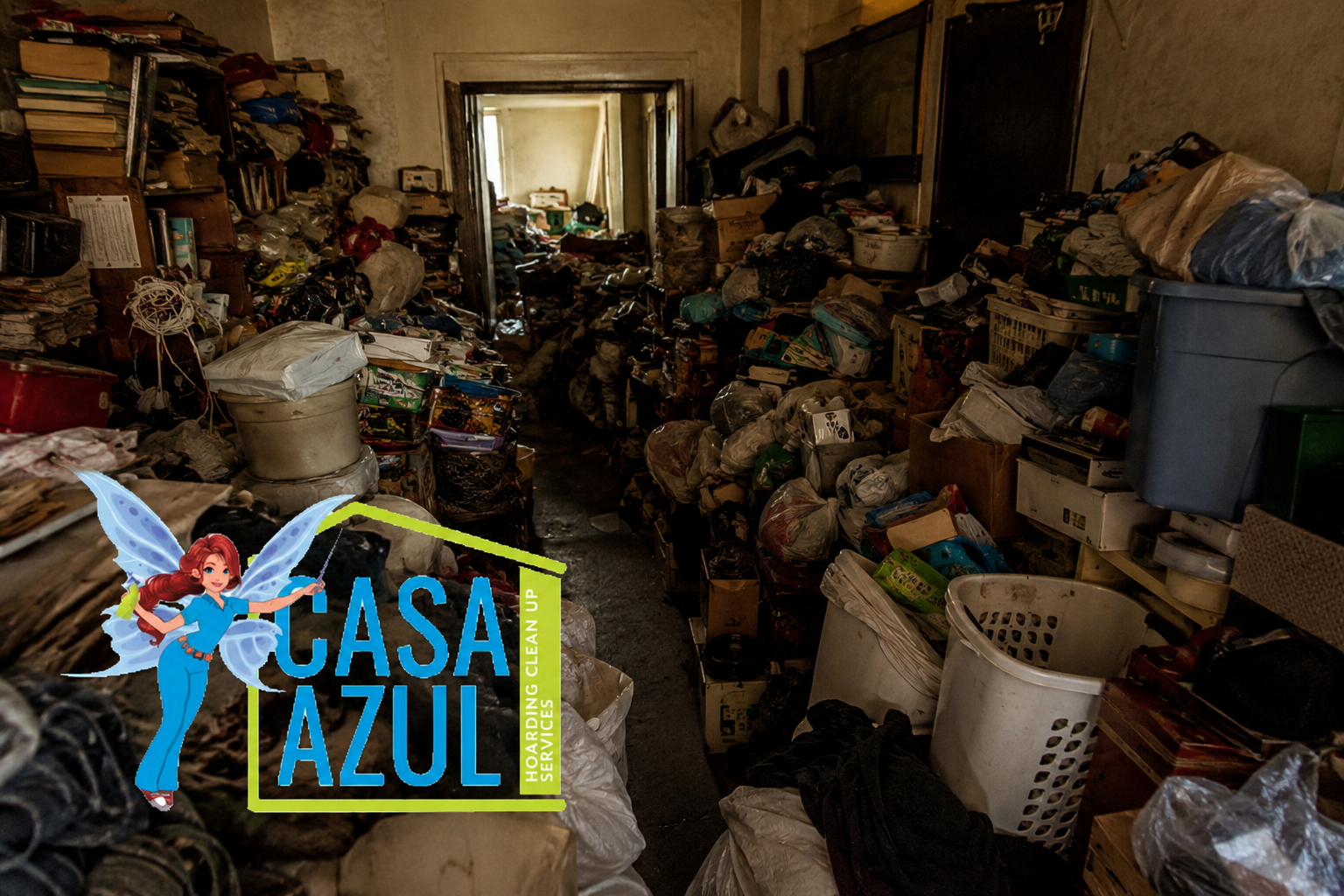
Families feel calmer when they understand hoarding cleanup.
Inviting strangers into a crowded home can feel stressful for every family member. Many people fear harsh judgment or the loss of items they value. However, caring teams respect each person and explain every choice before starting work. They create a clear plan that protects safety and keeps goals within reach. Therefore, knowing what to expect during hoarding cleanup can ease fear and build trust. This guide explains the day through the eyes of homeowners and their families.
What Happens Before Hoarding Cleanup Day?
The team usually visits the home before choosing a plan or work date. During this visit, workers study clutter levels and check each room for risks. They also ask which spaces matter most and which items need special care. Next, the team explains the likely schedule and the number of workers needed. Families can share health needs and personal concerns during this first talk. As a result, everyone enters hoarding cleanup day with clear and fair goals.
Who Decides Which Belongings Stay or Go?
The homeowner should guide all choices about personal items whenever safety allows. A caring team never treats every object as waste without asking first. Instead, workers create groups for keeping and giving plus recycling and waste removal. This method makes sorting belongings feel more clear and less rushed today. Family members can help when the homeowner wants their care and support. However, everyone should use calm words and allow enough time for hard choices.
What Happens When the Cleanup Team Arrives?
Workers usually arrive together with bins and safety gear plus cleaning tools. First, the team leader greets the family and reviews the agreed plan. Everyone confirms priority rooms and items that need extra protection that day. Next, workers inspect paths and remove any new risks near work areas. They may open windows when fresh air can improve comfort and safety. Afterward, each worker receives a clear role before the main work begins.
What to Expect During Sorting and Clutter Removal
Teams usually begin inside one small area instead of opening every room. This approach gives families visible progress without creating greater stress across the home. Workers bring items forward and ask questions when choices remain unclear. Meanwhile, one person may label boxes while another prepares approved waste items. Organized clutter removal keeps useful items separate from trash throughout the project. Therefore, the home grows safer while family choices still guide the work.
Some decisions may feel easy while others bring strong memories and grief. Compassionate workers allow short breaks when the process starts feeling too hard. However, long delays can slow progress and raise the final service cost. The team may suggest a review box for difficult items that remain safe. This plan supports steady progress without forcing painful choices during tense moments.
How Professionals Protect Important Belongings
Professional workers know clutter can hide items that families thought they lost. Therefore, they look closely before moving bags or closing any waste bin. They watch for photos and jewelry plus medicine and key documents or records. Workers can place found valuables inside a secure area that homeowners choose for protection. Also, they may record important finds when the family requests clear notes. This care protects trust and reduces worry during professional hoarding cleanup services.
What Happens When Workers Find Hidden Hazards?
Heavy clutter can hide mold and pests plus sharp or unsafe objects. Workers may also find weak floors or leaks behind walls and packed belongings. When hazards appear, the team leader quickly stops work near that area. Next, workers clearly explain the concern and suggest the safest possible response. They may add stronger gear or bring trained experts for certain risks. Therefore, a new hazard can change the schedule and total project cost.
Cleaning and Sanitizing Each Cleared Area
Removing clutter often reveals hidden dust and stains across floors and walls. Therefore, workers carefully clean each open area before calling that space complete. They may wipe all firm surfaces and remove dust from reachable corners. Next, they treat common touch points and other areas that need care. Strong home sanitization can reduce germs and improve the feel of rooms. However, deep stains or damaged materials may require added repair after cleaning.
Can You Stay Home During the Cleanup?
Some people stay home because they want control over all personal choices. Others leave because noise and steady activity inside can cause great stress. The best choice depends on health risks and the amount of clutter. Also, children and pets should avoid busy work areas throughout the visit. Severe mold or animal waste may make temporary absence safer for everyone. Therefore, families should closely follow the safety advice from the cleanup leader.
Homeowners who stay can use one quiet room away from active work. This space gives them privacy while keeping answers close when workers ask. Meanwhile, another trusted adult can manage choices if the homeowner needs rest. The team should fully explain when family members must leave certain rooms. However, workers should never make personal choices without clear approved family guidance. A clear contact plan keeps work moving while protecting the homeowner from stress.
What Does Hoarding Cleanup Day Feel Like?
The day may feel busy because workers move supplies throughout the home. Families may hear vacuums and moving bins plus normal team talks nearby. Also, hauling vehicles may remain outside while workers load approved waste safely. Emotional moments may happen when old items bring memories or deep guilt. Therefore, planned breaks can help homeowners regain calm and continue making choices.
Progress sometimes looks messy before rooms begin showing clear and open space. However, each marked zone supports a clear purpose within the agreed plan. The team leader should share updates and explain any change in pace. Good communication makes what to expect during hoarding cleanup much easier to understand.
What Happens at the End of Each Workday?
Large projects may need several visits before the home becomes fully safe. At each day end, workers secure important items and remove loose waste. Next, the leader reviews progress with the homeowner or chosen family contact. Everyone discusses remaining work and confirms the plan for the next visit. Therefore, families always know what changed and what still needs attention next.
The Final Walkthrough and Care Plan
The team leader carefully walks through every finished area with the homeowner. Together, they check agreed goals and note any work that remains inside. Families can ask questions about stains and odors plus damaged building parts. Next, the leader explains which repairs or added services may help most. They may suggest regular cleaning or simple plans for keeping rooms clear. Therefore, the final visit supports future habits instead of ending without guidance.
A useful care plan should match the homeowner’s strength and daily routine. Trusted relatives may schedule gentle visits when the homeowner welcomes continued support. However, lasting change needs respect and steady care instead of harsh blame. A clean home feels most helpful when the person also feels safe.
Frequently Asked Questions
Do I Need to Be Present During Hoarding Cleanup?
You do not always need to remain home during the full service. However, workers need one trusted person available for choices and urgent questions.
Will the Cleanup Team Throw Everything Away?
A respectful team sorts items and follows every choice that homeowners approve. Workers only remove unsafe objects quickly when serious risks require immediate action.
Can Family Members Help Make Decisions?
Family members can help when the homeowner wants their support during cleanup. However, calm talks and clear roles help prevent stress or hurt feelings.
How Should I Prepare Before the Team Arrives?
Gather key papers and carefully note special items that workers should protect. Also, secure pets and confirm parking plus safe access before workers arrive.
What Happens When Workers Find Valuable Items?
Workers place valuables inside the safe area that families choose during review. They then tell the approved contact and record each find when requested.
Can Cleanup Stop If I Feel Overwhelmed?
You can request a short break when choices become too hard emotionally. The leader can adjust the pace while keeping safety and costs clear.
Will the Company Clean After Removing Clutter?
Most professional hoarding cleanup services include cleaning after approved items leave the home. However, families should confirm sanitizing and odor care before signing any agreement.
How Long Does One Cleanup Day Last?
Most teams work several hours based on access and local safety needs. The project length depends on clutter levels and the number of workers.
Moving Forward With Respectful Support
Understanding cleanup day helps families replace fear with clear and useful plans. First, compassionate workers review goals and protect items with deep personal meaning. Next, they support safe choices while clearing clutter from each agreed area. They also clean open surfaces and explain concerns that need added care. Meanwhile, families can pause and ask questions whenever emotions become especially difficult. Most importantly, respectful support protects dignity while restoring safer and calmer rooms. Casa Azul Janitorial and Cleaning Services provides caring local help for each unique family home. Contact our team today to discuss your needs and plan respectful cleanup support.