
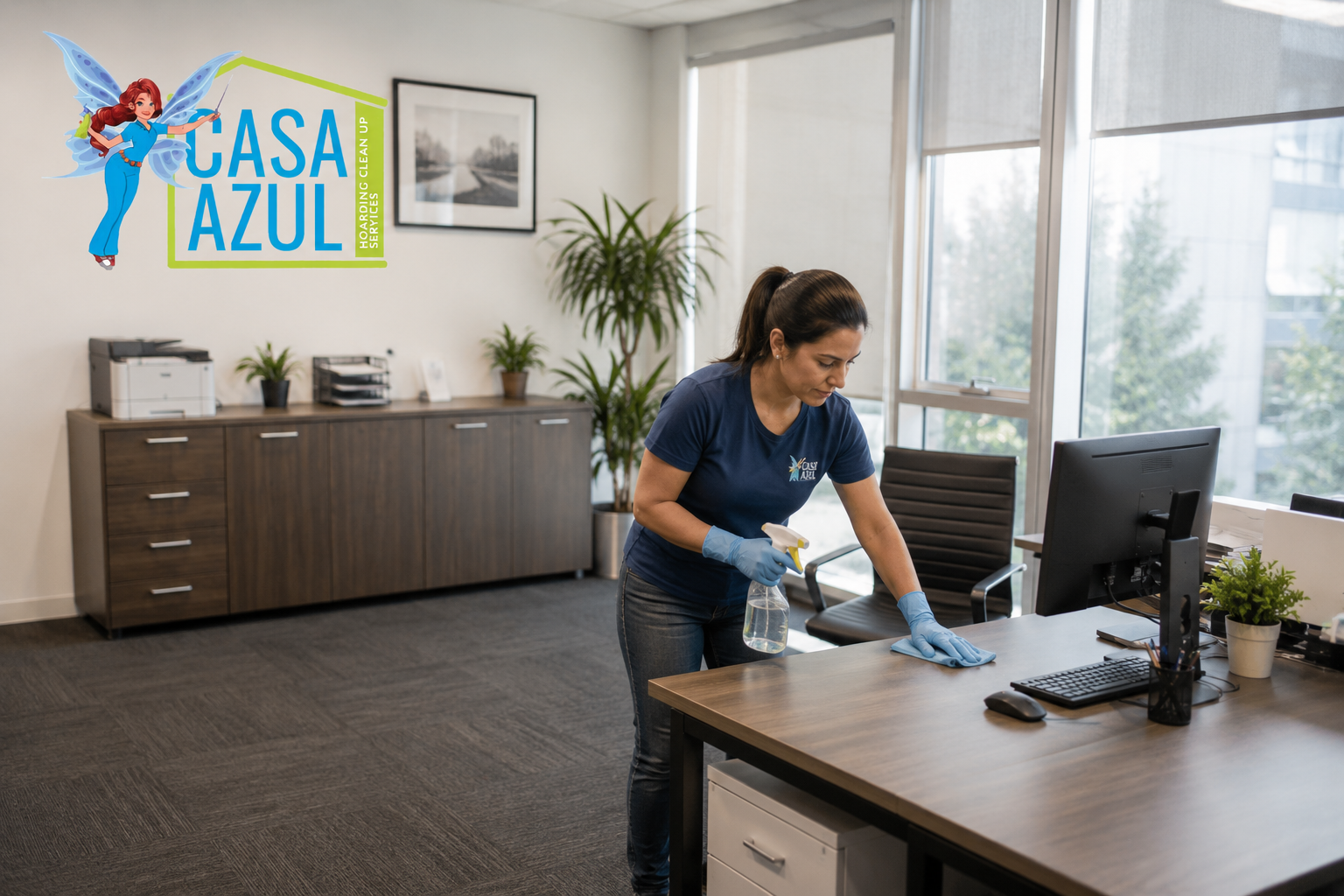
Moving out involves more than packing boxes and returning the keys. A home or apartment can look empty and still contain grease, dust, soap residue, marks, and debris that become obvious during the final walkthrough. A clear plan helps renters leave the property in better condition and allows landlords or property managers to prepare it efficiently for the next resident.
This move-out cleaning checklist for Berkeley homes covers the tasks that are commonly overlooked, explains how to organize the work, and helps you decide whether to clean the property yourself or hire a professional team.
Why Move-Out Cleaning Requires a Different Approach
Routine house cleaning focuses on visible, frequently used surfaces. Move-out cleaning is more detailed because furniture and belongings are removed, exposing areas that may not have been cleaned for months or years. Dust behind appliances, residue inside cabinets, marks along baseboards, and buildup around fixtures can all affect how the property looks when it is empty.
For renters, thorough cleaning can help demonstrate that the home was left responsibly, although cleaning alone cannot guarantee the return of a security deposit. For landlords and property managers, a detailed turnover clean creates a more welcoming space for showings and helps the next occupant begin with a fresh home.
If time is limited, professional move-in and move-out cleaning can reduce the pressure during an already demanding transition.
Before You Start: Review, Remove, and Prepare
Begin by checking the lease, move-out instructions, or property manager’s checklist. Requirements can vary by property, so a generic list should not replace instructions provided for the specific rental.
Next, remove personal belongings, food, loose trash, and unwanted furniture. Cleaning an empty room is faster and makes hidden dirt easier to see. If large unwanted items remain, arrange disposal or junk removal before the cleaning appointment.
Gather suitable supplies for the surfaces in the home. These may include microfiber cloths, a vacuum with attachments, a mop, nonabrasive sponges, trash bags, glass cleaner, degreaser, and bathroom cleaner. Test products in an inconspicuous area, particularly on stone, wood, stainless steel, painted surfaces, or older fixtures.
Finally, work from high to low and from the farthest room toward the exit. This prevents dust and debris from falling onto surfaces or floors that have already been cleaned.
Whole-Home Move-Out Cleaning Checklist
Several tasks apply to nearly every room in the property:
- Remove cobwebs from ceiling corners and around light fixtures.
- Dust ceiling fans, vents, ledges, blinds, and accessible window coverings.
- Wipe doors, frames, handles, switches, and other high-touch areas.
- Clean baseboards and remove dust from wall edges.
- Check walls for removable marks without damaging the paint.
- Clean interior window glass, sills, and accessible tracks.
- Empty closets and wipe shelves, rods, doors, and floors.
- Vacuum carpet edges and underneath any remaining movable furniture.
- Sweep and mop hard floors using a surface-appropriate product.
- Remove all trash and complete a final odor check.
Avoid painting over marks, filling holes, or attempting repairs unless the landlord or property manager has approved the work. An unapproved repair can create a larger problem than the original imperfection.
Kitchen Move-Out Cleaning Checklist
The kitchen often takes the longest because grease, crumbs, and food residue collect in several hidden places. Start early and allow extra time for products to loosen buildup.
Cabinets and Drawers
Empty every cabinet and drawer. Vacuum loose crumbs, then wipe interior surfaces, shelves, handles, and exterior doors. Pay close attention to the cabinet below the sink, where spills or moisture may be present.
Refrigerator and Freezer
Remove all food and detachable shelves or drawers. Clean the interior, door seals, handles, and exterior. If the appliance will be switched off, confirm the property manager’s instructions and leave the doors positioned safely to prevent trapped odors.
Oven, Range, and Hood
Clean the cooktop, burner components, control panel, oven racks, and oven interior using products approved for the appliance. Degrease the range hood and accessible filter surfaces. Pulling out an appliance can damage flooring or connections, so move it only when it is safe and permitted.
Sink and Countertops
Remove food residue, mineral deposits, and soap buildup from the sink and faucet. Wipe countertops and backsplashes using products compatible with their materials. Finish by cleaning the dishwasher exterior and checking that no dishes or waste remain inside.
Bathroom Move-Out Cleaning Checklist
Bathrooms need detailed cleaning because moisture can leave soap scum, mineral deposits, and buildup around fixtures.
- Clean and disinfect the toilet, including the seat, exterior, base, and surrounding floor.
- Scrub the tub or shower, walls, doors, fixtures, and accessible grout.
- Remove residue from sinks, faucets, countertops, and backsplashes.
- Clean mirrors without leaving streaks.
- Wipe vanity interiors, drawers, handles, and cabinet fronts.
- Dust the exhaust vent cover and light fixtures where safely accessible.
- Clean towel bars, toilet-paper holders, switches, and door handles.
- Sweep and mop the floor, paying attention to corners and the area behind the toilet.
Heavy mineral buildup or deteriorated grout may require more than ordinary cleaning. Do not mix cleaning chemicals, and never combine bleach with ammonia or acidic products.
Bedrooms, Living Areas, and Hallways
Once furniture has been removed, inspect the edges of each room. Dust tends to collect behind headboards, sofas, media units, and along baseboards.
Clean closet interiors, shelves, doors, and tracks. Dust fans, light fixtures, vents, blinds, window sills, and ledges. Wipe switches, handles, and other frequently touched surfaces. Vacuum carpets slowly in more than one direction, or sweep and mop hard flooring according to the manufacturer’s guidance.
If the property needs more detailed attention than a routine clean, a professional deep cleaning service may be appropriate before the final walkthrough.
Laundry Areas, Balconies, and Other Spaces
Small utility areas are easy to miss. Remove lint and dust from accessible surfaces around the washer and dryer, wipe shelves, and clean the floor. Do not disconnect or move appliances unless authorized and safe to do so.
For patios, balconies, garages, or storage areas included with the property, remove belongings and sweep loose debris. Follow building rules for waste disposal and avoid washing debris or chemicals into drains. Clean entry doors and the immediate threshold so the property makes a good first impression.
A Practical Move-Out Cleaning Timeline
One to Two Weeks Before Moving
Review the property-specific requirements, sort belongings, schedule donation or hauling services, and reserve professional cleaners if needed. Booking early is especially useful when the move must be completed by a fixed handover date.
Two to Three Days Before Handover
After most belongings are packed, clean closets, cabinet interiors, appliances, bathrooms, windows, and other detailed areas. Complete tasks that will not be disturbed by the remaining move.
After the Property Is Empty
Finish floors, baseboards, wall edges, and areas previously covered by furniture. Remove the last bags of waste and check every cabinet, drawer, closet, balcony, and storage space.
Immediately Before Returning the Keys
Do a slow room-by-room walkthrough in good lighting. Take dated photographs for your own records, verify that personal belongings are gone, and confirm the key-return process with the landlord or property manager.
Common Move-Out Cleaning Mistakes
Rushing the entire job on moving day is one of the most common problems. Packing, loading, and cleaning at the same time often leads to missed areas. Other frequent mistakes include cleaning floors before movers finish, forgetting the inside of appliances, leaving items in cabinets, using harsh products on delicate surfaces, and assuming that ordinary tidying is enough for an empty rental.
Another mistake is confusing cleaning with repairs. Professional cleaners can remove dirt and buildup, but they do not necessarily fix damaged flooring, broken fixtures, stained paint, worn caulk, or maintenance problems. Report these issues to the appropriate person instead of trying an uncertain repair at the last minute.
Should You Clean the Property Yourself or Hire Professionals?
A do-it-yourself move-out clean may be practical when the property is small, already well maintained, and the schedule allows enough time. Professional help may be a better fit when the home is large, buildup is significant, appliances need detailed attention, or the moving deadline leaves little room for delays.
Landlords, property managers, and real estate professionals may also benefit from professional rental cleaning services when they need consistent turnover standards or a fast transition between occupants.
Before booking, explain the property’s size, condition, access instructions, and required completion time. Ask which tasks are included and identify any add-ons in advance. This makes the estimate clearer and helps the cleaning team arrive prepared.
Prepare Your Berkeley Property for Its Next Chapter
A successful move-out clean is easier when it follows a clear sequence: remove belongings, clean detailed areas from top to bottom, finish the floors after the property is empty, and inspect every room before handing over access.
Casa Azul Janitorial & Hoarding Services provides detailed cleaning support for renters, homeowners, landlords, and property managers in Berkeley and surrounding Bay Area communities. If you need help preparing a house, apartment, or rental for its next occupant, contact Casa Azul Janitorial & Hoarding Services to request a personalized estimate.
Frequently Asked Questions
What should be cleaned before moving out of an apartment?
A move-out clean generally covers kitchens, bathrooms, bedrooms, living areas, closets, appliance interiors, cabinets, baseboards, fixtures, windowsills, and floors. The exact requirements should be confirmed through the lease or the landlord’s move-out instructions.
Should the apartment be empty before move-out cleaning begins?
Most detailed cleaning is easier after furniture and personal belongings have been removed. Some areas, such as cabinet interiors and bathrooms, can be cleaned earlier, but floors and previously covered spaces should usually be finished after the property is empty.
How long does move-out cleaning take?
The time depends on the property’s size, layout, condition, number of bathrooms, appliance cleaning needs, and whether belongings remain. A lightly used apartment may require far less time than a large property with heavy buildup. An assessment provides a more dependable estimate.
Is professional carpet cleaning always required when moving out?
Not always. Requirements vary by lease, property condition, and management instructions. Vacuum thoroughly and confirm whether professional carpet cleaning or documentation is specifically requested before booking an additional service.
Can move-out cleaning guarantee the return of a security deposit?
No. Thorough cleaning may help a renter return the property in good condition, but deposit decisions can also involve damage, unpaid amounts, lease terms, and other factors. Cleaning companies should not promise a particular deposit outcome.
When should I schedule move-out cleaning in Berkeley?
Schedule as soon as the moving date is confirmed, particularly if you need service near the end of a month or before a fixed inspection. The ideal appointment is usually after most or all belongings have been removed and before the keys are returned.